
By Eric Yates, National Sales Director, Nofence
Traditional fencing has one job, and we all know it doesn’t always get the job done.
Virtual fencing, however, does many things other than containing cattle. It can record animal movements, map grazing patterns, take the chore of fence building off your list and let you see and manage individuals within your herd. Plus, it keeps cattle safely within the boundaries you choose and lets you see where they are at all times.
If you’re exploring virtual fencing, keep an open mind and think about it as a tool to manage cattle and pastures differently. Here are two examples of livestock producers who experience benefits beyond containment from their virtual fencing system.
Manage individuals, not averages
When you look over a group of cattle within a fence, the only thing you can know about them is what you see while you’re there. You’re probably great at spotting cows who look “off,” but you have only so much time to watch them. And the only way you can know a cow is ready to calve is if you go looking for cows that have separated themselves from the herd.
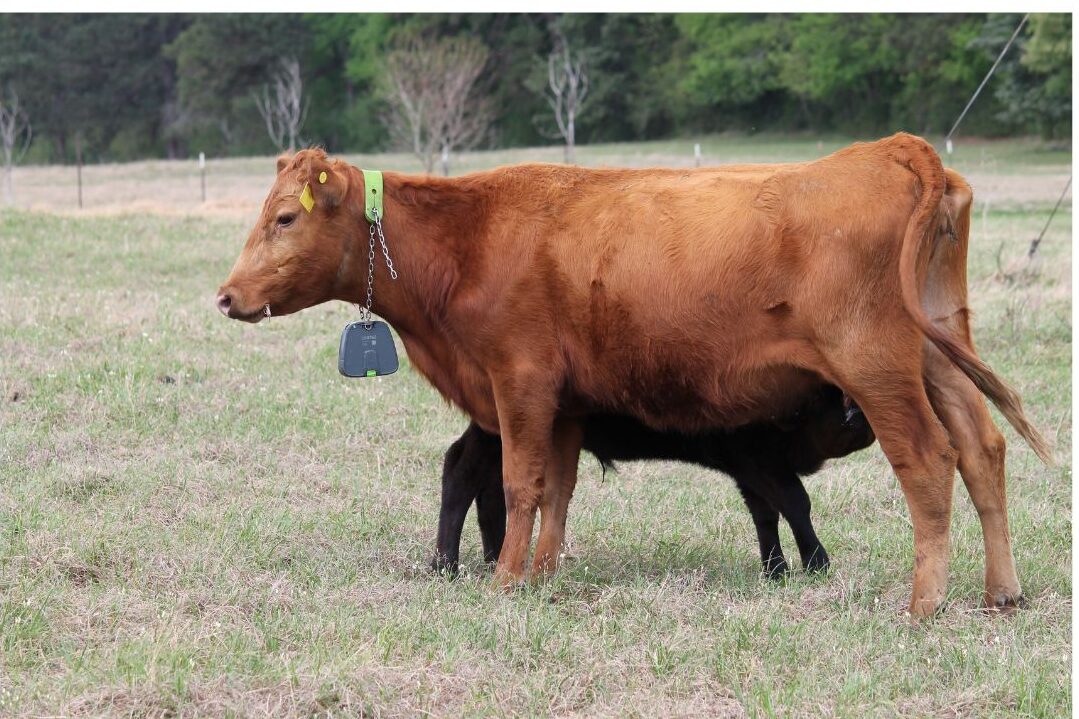
Virtual fencing gives you around-the-clock visibility into cattle location and behavior. The Nofence system uses GPS-enabled collars to train cattle using sound cues to stay within boundaries producers create with an app on their phone. A virtual fencing system such as Nofence can alert you to changes in an animal’s behavior that indicates she needs attention. For example, Oklahoma producer Canda Mueller could see in her Nofence app that a first-calf heifer had separated herself from the herd and was no longer grazing.
The heifer had managed to wedge herself into a “thick mess of cedar, locust and whatever else,” Mueller said. “And of course she was across a creek in a spot that was really tough to get to.”
Because the heifer was wearing a collar, Mueller could find her in the brush, move her to a better location and help with the calf.
“We would have lost her and her calf without Nofence,” Mueller said.
“I was already maxed out”
Managing livestock is physically demanding work.
Without virtual fencing, Meg Greske would never have been able to start grazing goats to manage her pastures in western Oklahoma the way she wants to. Using goats, she can turn brush into a resource and start improving pastures for grazing cattle.
“There’s no way I would have small ruminants without virtual fending,” says Greske. “Without virtual fencing, my only option would have been to run multiple strands of polywire, which is prohibitively labor intensive. I was already maxed out on having single-wire fences for my cows.”
Greske plans to transition her cattle to virtual fencing this year, and the move will save her 2 to 3 hours a day of hard, physical labor, says Greske, who is a soil health educator with the Oklahoma Conservation Commission. That time matters personally and for her business.
“That time savings is the difference between having a life and not having one,” Greske says. “If I can rise above the chores and have time where I can work on my business instead of doing chores, that will help pay for the business.”
Plus, the virtual fencing actually keeps the goats where she wants them, which was not always the case with physical fencing.
“Nofence has really made goat grazing possible,” Greske says. “I’ve never had a goat where I don’t want it. It’s been effortless. And you never hear the word “effortless” in the same sentence as goats.”
Virtual fencing can be so much more than fencing. It is a solution for producers to manage their land, their cattle and their operations in a totally new way. In addition to containing cattle, virtual fencing helps producers save time, prioritize tasks and improve grazing management.
See how other U.S. producers are using the Nofence system to manage cattle and forage and connect with a Nofence representative in your area at nofence.com.
