
What’s working and what needs to change now for the best possible grazing season?
By Alayna Gerhardt-Crile, PhD and PAS, Nofence grazing specialist & internal sales
What is your primary goal for pasture management this season? Do you want to optimize forage quality or quantity?
Those are the first questions I ask when producers want to know how to improve their grazing strategies. First, we identify what they want to accomplish, and then we determine what to do to get there.
Managing pastures to benefit cattle requires balancing forage availability and forage quality to make the most of the point where they intersect. All forages have a trade off: As plants mature and quantity increases, quality starts to decrease. A good grazing plan helps you identify which you’re trying to maximize – quality or quantity – and helps you map out how to get there.
Tips for the early season
Forage management is a year-long effort. The priority in April is to set pastures up for a
successful growing season. Greg Brann, a grazing consultant from Adolphus, Kentucky
recommends giving grass a head start before turning out cattle.
“We’re setting ourselves up for the whole year, so it’s important not to graze too soon or let forage get too short,” says Brann. “I wait to start grazing until the grass is at least six inches tall. Six inches is the perfect height for the animal if we have consistent growing conditions.”
The tops of grasses are the most tender and nutritious part of the plant because grass grows at the tip. When grass is growing quickly, as it tends to do in April and May, Brann uses a “top-third” grazing strategy. He lets cattle graze the top third of the available forage and then moves them to the next paddock.
Increasing stocking rates might be necessary early in the season when forage is in its fastest growth phase and quality is high. If you have a pasture full of high-quality forage, but it takes cattle six months to graze it, that’s wasted quality. In that situation, it would be better to graze more cattle for less time in a smaller space to maximize the nutritional value of the forage.
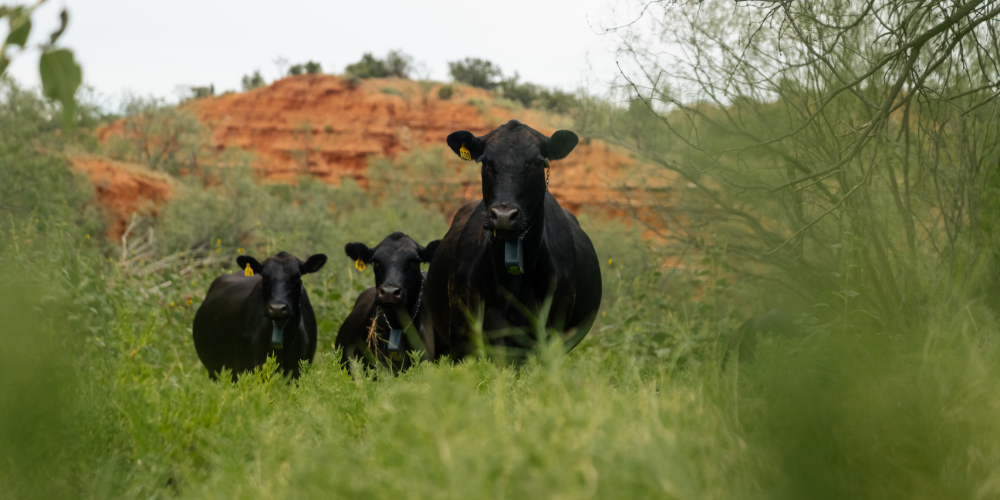
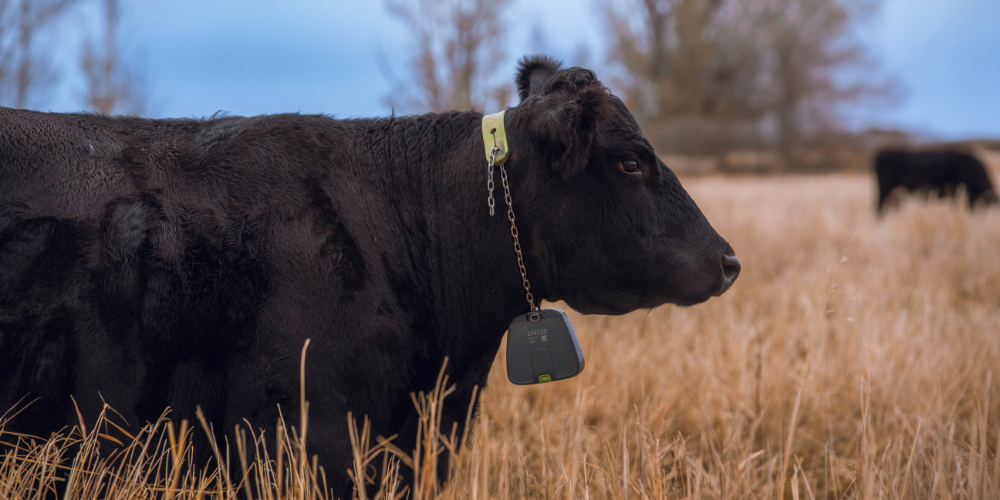
Brann uses virtual fencing to keep cattle moving at the right pace across pastures with fresh and fast-growing early season forage. Virtual fencing uses GPS collars to train cattle using sound cues to stay within boundaries producers create with an app on their phone or a platform on their computer. Virtual fencing is gaining interest and adoption by livestock producers across the U.S. because it eliminates the time and labor needed to move physical fencing.
“Strip grazing is the easiest way to graze cattle at higher densities to manage forage height,” says Brann. “Give cattle a narrow strip, let them eat it down, then move them before they over-graze. It’s one of the most common and effective ways to manage pasture, and virtual fencing has changed the game for the better.”
Observing cattle behavior is a good way to learn the ideal pace to move cattle and how much space they need as conditions change during the season, says Brann.
“The best way to use pasture is to allocate it like you would a feed bunk,” Brann said. “Let the animals line up and graze, not trample or leave manure all over the paddock. It’s time for another allocation when cattle stop grazing or lie down. Keep an eye on the rumen, which you can see directly in front of the left hip bone. “The ideal state is level or slightly bulging. If it looks sunken, that means cattle are not getting enough feed and need bigger paddocks.”
Meet individual needs within the herd
Early season forage is higher in protein, which is ideal for putting muscle on growing calves. Virtual fencing works well to make the most of forage quality when grazing cow/calf pairs. The cow wears the collar, and the calf stays nearby, grazing slightly ahead of her to reach the best quality forage.
As forage matures, it increases in quantity but typically declines in quality. Plants get bigger, and fiber increases while protein decreases. On a pasture with lower-quality forage, reducing stocking density can maintain calf gains by allowing each calf to access more of the quality forage available. Even on pastures with reduced quality, it’s possible to get more pounds at weaning by reducing the stocking rate.
Virtual fencing empowers producers to move cattle based on the growth phase of forage and the herd’s nutritional needs, as opposed to moving cattle when it fits a producer’s busy schedule. Eliminating the task of building physical fences creates time producers can use to work on other, more productive tasks or thinking strategically about their business.
For example, producers with more time might adjust the timing of herd health protocols to increase time on pasture or change protocols to support cow longevity. They might make plans to diversify their herd genetics or incorporate artificial insemination for greater profitability. These strategies might feel impossible to implement when producers are forced to spend hours searching for cattle within a large pasture, as opposed to finding them instantly with their phone.
Using virtual fencing gives you the ability to graze in a way that meets or exceeds cattle
nutritional needs while supporting forage quality. It is a tool that can change how you work. You can become a better forage manager or a better herd manager by using your time differently and paying attention to things you couldn’t stop to focus on before.
See virtual fencing in action on other operations and find details about the Nofence system at nofence.com.
