
Insights from Eric Yates, National Sales Director at Nofence
For generations, livestock producers have relied on physical fencing as the backbone of grazing management. Barbed wire, cross-fencing, and manual fixing have long been considered necessary tools despite rising costs, labor demands, and the limitations they place on flexibility.
Today, virtual fencing is offering producers a new way forward.
According to Eric Yates, U.S. National Sales Director at Nofence, virtual fencing is not simply a new piece of technology; it’s a shift in how producers think about managing livestock, land, and time.
What Is Virtual Fencing?
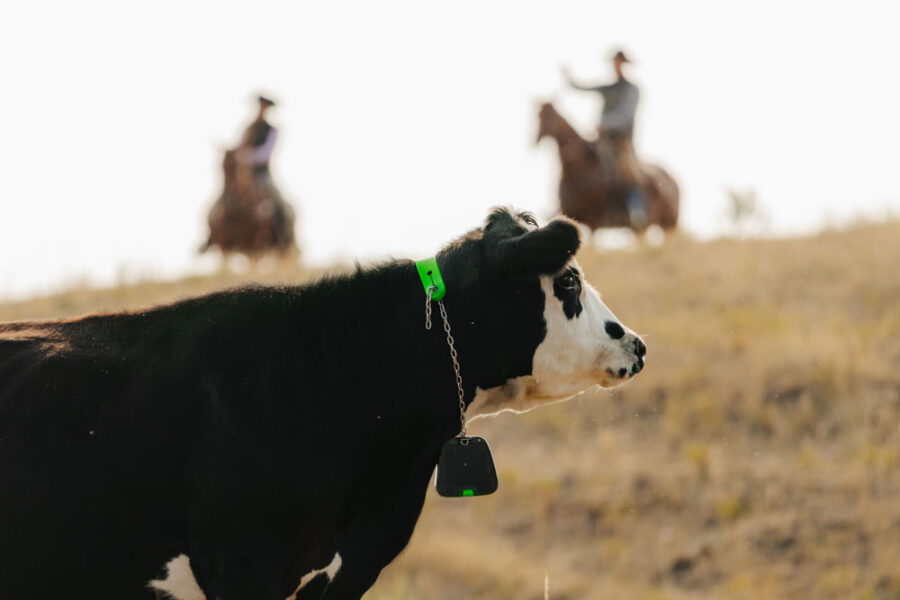
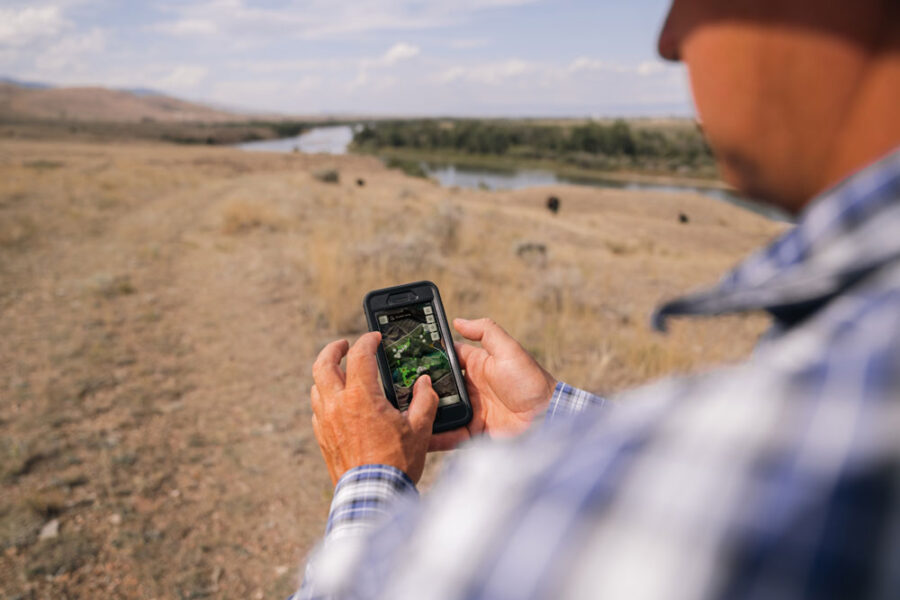
Virtual fencing allows producers to manage livestock without installing physical fences in the pasture. Using GPS-enabled collars and a mobile app, producers draw digital boundaries that cattle learn to respect through audio cues and, when necessary, mild pulses.
As animals approach a virtual boundary, the collar emits an audio signal that increases in pitch the closer they move toward the boundary. Over time, cattle learn to respond to the sound alone. The system provides real-time GPS tracking, alerts, and the ability to adjust boundaries instantly no matter the terrain.
One key differentiator of the Nofence system is that it operates entirely on cellular connectivity, eliminating the need for base stations or fixed infrastructure that takes time to plan for and install. As long as there is cell coverage, producers can move boundaries, create exclusion zones, and manage grazing from anywhere.
Why Traditional Fencing Falls Short
While traditional fencing remains important for property boundaries, it presents challenges for modern grazing systems. Costs for materials and labor have increased significantly, and installing fence across rocky ground, waterways, wooded areas, or flood-prone land is often impractical.
More importantly, physical fences are static. Once installed, they limit how producers can adapt grazing strategies to changing conditions such as forage availability, weather, or long-term land health goals.
Virtual fencing removes those constraints. Boundaries can be adjusted in minutes, allowing producers to respond dynamically rather than reactively.
Built by Farmers, for Farmers
Nofence was founded by a livestock producer who experienced these challenges firsthand. That background continues to shape the platform’s design to prioritze simplicity, animal welfare, and real-world usability.
For Yates, who grew up in a large-animal veterinary environment and manages cattle himself, this perspective is critical. The system is designed to fit into the realities of daily ranch life, where time is limited and decisions must be practical.
Real-World Benefits on the Ground
Producers using virtual fencing report significant time savings, particularly during gathering and grazing transitions. Knowing the real-time location of every animal reduces missed cattle and unnecessary travel. Some producers have been able to utilize land previously considered unusable due to terrain or fencing challenges.
Virtual fencing also supports long-term grazing planning. Producers can rest pastures, control grazing intensity, protect sensitive areas like riparian zones, and extend grazing seasons powered by collars and the mobile app.
Explore how Nofence is powering herds across the US at https://nofence.com/community/user-stories.
Peace of Mind and a New Mindset
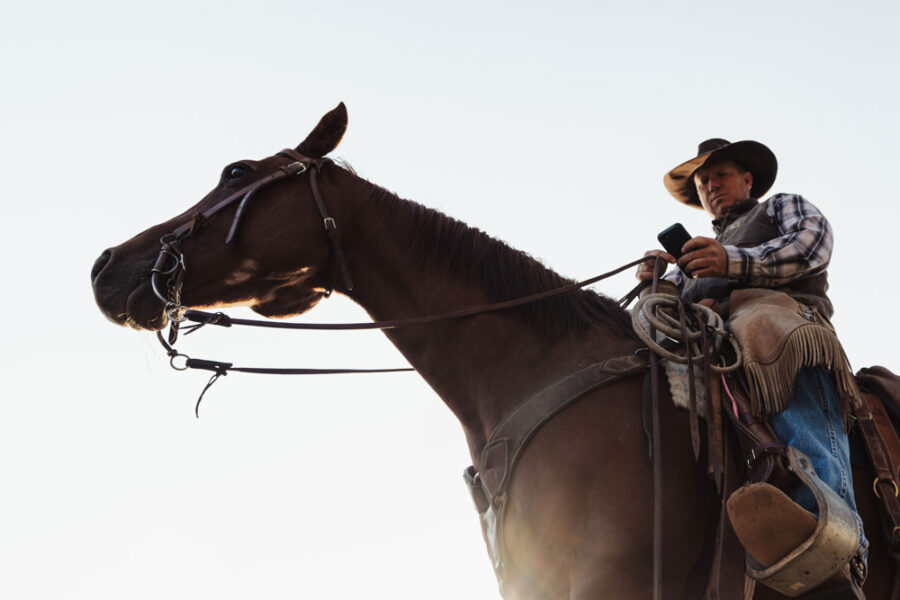
Beyond efficiency, one of the most consistent benefits producers report is peace of mind. Real-time monitoring, escape alerts, and anomaly detection allow producers to stay connected to their herds 24/7—even when away from the operation.
Looking ahead, Yates believes virtual fencing will become a mainstream tool, much like tractors or handling facilities. More than that, it will continue to change how producers think about grazing—shifting from fixed systems to flexible, adaptive management.
Virtual fencing isn’t about replacing good stockmanship. It’s about enhancing it—giving producers better tools to manage livestock, land, and time in a way that supports both profitability and sustainability.
To learn more about virtual fencing and the Nofence system, visit nofence.com.
