
By Eric Yates, National Sales Director, Nofence
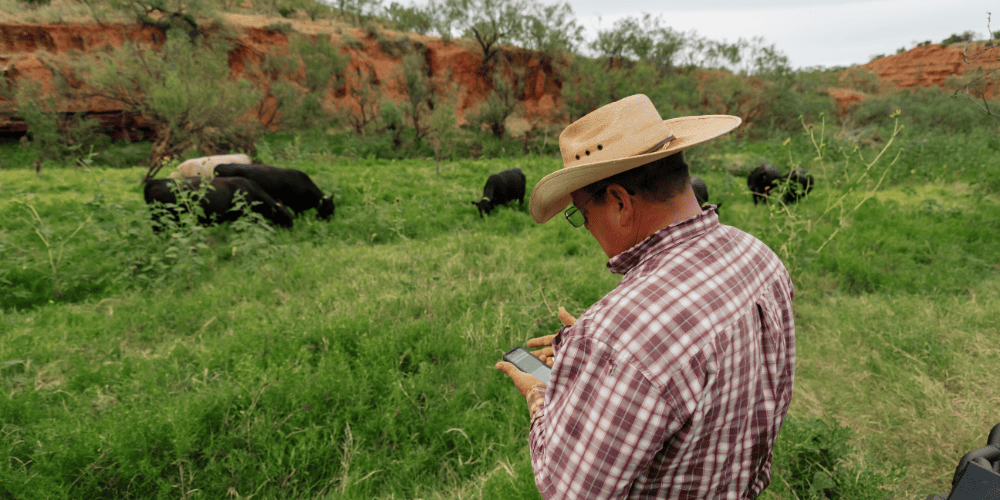
Forget everything you’ve learned about fencing in a lifetime of grazing cattle. Think instead about how you could manage cattle differently with real-time and historical data about livestock behavior and location.
Starting with an open mind is important because virtual fencing allows you to do things you couldn’t do before. For example, with virtual fencing, you have the ability to create a boundary, erase it and try something different in a matter of minutes. You’ll have the opportunity to try new strategies in grazing management and livestock management that you might not have tried before or even realized were a choice.
Here are three things you could do with the right virtual fencing system – in addition to containing cattle within the boundaries you set.
1. Repurpose time from the task of moving cattle
Planning time to move cattle is a habit producers have developed over generations. Virtual fencing allows you to repurpose time from the task of moving cattle. Instead of planning for a set amount of time to ride out to a pasture, open the gate, move the cattle, shut the gate and drive back to the office, you can move cattle without having to move yourself. Using an app, simply create a new virtual boundary and allow the cattle to naturally move themselves. You are not constrained by the time it takes.
2. Work with purpose
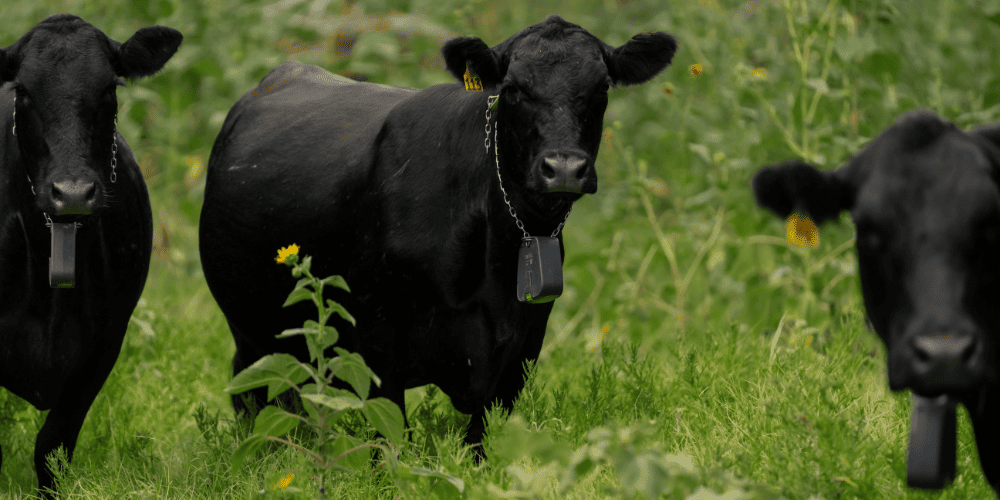
Information about livestock behavior can help you prioritize your most valuable tasks. This information can come in the form of alerts to changes in animal behavior, as well as real-time GPS location data about every animal wearing a collar.
“You can work with intent when you are well informed,” says Nofence community and partnerships manager Meghan Filbert. “You can put your time into complex or productive tasks rather than driving around searching for cattle.”
3. Use data to improve grazing management
Virtual fencing allows you to make decisions based on forage quality rather than how much time you have available. For example, instead of moving cattle when you have the time to pull physical fences, you can let cattle move themselves to continually access the highest-quality forage. You also can exclude cattle from areas to allow forage to rest and regrow or to protect sensitive habitats.
“Using historical cattle behavior data such as HerdReplay, you can work proactively to plan out future grazing strategies rather than responding once a problem has started,” Filbert said. “For example, if an area is overgrazed, it could take three to five years for that land to rebound and recuperate. Using data collected from the virtual fencing system allows you to plan months and years in advance to make sure you’re properly managing your land, as well as keeping your livestock in healthy shape with quality forage.”
In addition to containing cattle, virtual fencing helps you save time, prioritize tasks and improve grazing management. Keep an open mind and consider the benefits beyond containment to select the right system for your business.
Be ready for a mindset shift that eliminates the need to physically go out and move cattle. Consider what you would do if the cattle could move themselves, and you kept your energy and attention on work that moved your business forward.
See virtual fencing in action on other properties and find details about the Nofence system at nofence.com.
